
Fence Installation & Repair in Richmond, TX
CS Roofing Concepts builds and repairs fences across Richmond, Rosenberg, Missouri City and Fort Bend County — wood privacy fencing, metal and ornamental iron, and gates. The thing that decides whether a fence in this area lasts eight years or twenty is what happens below ground. Fort Bend clay swells and shrinks dramatically, and posts that were not set for that will lean within a couple of seasons.
Call (281) 202-4382 · Mon–Fri 8am–5pm · Sat 8am–12pm
What we build
| Wood privacy fence | Cedar or treated pine, six or eight foot, cap and trim options. The standard for most neighborhoods here. |
|---|---|
| Metal and ornamental iron | Where you want the sight line kept open, or where an HOA specifies it. |
| Gates | Walk gates and drive gates, framed and braced so they still close square in year three. |
| Repairs | Leaning or snapped posts, storm-damaged sections, sagging gates, rotted bottom rails. |
| Post setting | Depth and concrete appropriate for expansive clay. This is the part nobody sees and the part that decides how long the fence stands. |
Why fences fail early around here
Three reasons, in order. Posts set too shallow for soil that moves this much. Untreated wood in direct ground contact. And drainage — a fence line that sits where water collects after every storm will rot from the bottom regardless of what it is made of. We look at all three before quoting, which occasionally means telling you the problem is a drainage issue rather than a fence issue.
What the clay actually does to a fence
The soil across most of Fort Bend County is expansive. It takes on water and swells during a wet spring, then shrinks and cracks open through an August drought. The vertical movement is measured in inches, not millimetres, and it acts on every post in the run at once.
A post set shallow, in a hole barely wider than the post, gets gripped by that moving soil and lifted. A post set to proper depth, in a hole wide enough for a real collar of concrete, with the base of the concrete below the zone where the moisture swing happens, mostly rides it out. That is the entire difference between the fence that is straight at year fifteen and the one that is doing a slow wave at year five, and it costs a fraction of the total job to get right.
Two related things matter almost as much. The concrete should be crowned and sloped away at the top so water sheds off the collar instead of pooling against the post, and the post itself should be rated for ground contact rather than just treated for above-ground use. Contractors cut both of those corners constantly because neither one is visible once the pickets go on.
Details that decide how it looks in year five
- Post spacing. Wider spacing uses fewer posts and saves money on the quote. It also lets rails sag. We space for the height of the fence and the wind exposure of the run.
- Three rails, not two, on a six-foot fence. Two-rail construction is the single most common reason privacy fences bow.
- Picket clearance at the bottom. Pickets that touch dirt wick moisture straight up into the fence. A deliberate gap, or a rot board designed to be sacrificial and replaceable, adds years.
- Fastener choice. Hot-dipped galvanised or stainless. Cheaper fasteners bleed rust stains down the pickets within a season in this humidity.
- Gate framing. A gate is the part you touch every day and the first part to fail. Diagonal bracing, correctly sized hinges and adequate posts on both sides.
- Wind gaps. A solid eight-foot fence is a sail. On exposed runs there are ways to build it so a storm takes a picket rather than the whole section.
Repair or replace
The honest test is the posts. If the posts are sound and it is pickets, rails or a couple of storm-damaged sections that have gone, repair is far cheaper and we will tell you so. If the posts are rotted at grade or the concrete has failed, you are paying for the expensive part of the job either way, and patching around it usually means doing it again in two years. Where a run is genuinely mixed — half the fence sound, half of it gone — we will quote both so you can see the difference rather than being pushed toward the bigger number.
Common Questions
How much does a wood fence cost in Richmond, TX?
It follows linear footage, height, material, the number of gates, and how much demolition and haul-off of the old fence is involved. Sloped or heavily rooted ground adds labour. We measure on site and give you a firm number.
Do you handle HOA approval?
We build to the specification your HOA requires and can give you the material and height details you need for the submission. Filing the application itself stays with you as the homeowner.
Can you repair a fence instead of replacing it?
Often, yes. If the posts are sound and it is the pickets or a couple of sections that have gone, a repair is far cheaper. When the posts have failed, replacement is usually the better value.
Who is responsible for a shared fence with my neighbour?
That is between you and your neighbour and sometimes your HOA — we do not get involved in that conversation. What we can do is give you a written quote you can both look at.
Cedar or treated pine?
Cedar looks better for longer and resists rot naturally, at a higher cost. Treated pine is the value option and performs well if the posts are rated for ground contact and the bottom of the fence is kept out of the dirt. Plenty of good fences here are built either way.
How long does a fence take to build?
A typical residential run is one to three days including demolition and haul-off. We let post concrete set before hanging heavy gates rather than finishing everything the same afternoon.
Do you stain or seal the fence?
We can, and new wood usually needs a few weeks to dry out first. We will tell you when to do it rather than sealing moisture into a fence that is not ready.
What about tree roots and utility lines?
Utility locates get called before we dig, every time. Roots we work around, and if a run genuinely cannot be dug where you want it we will say so before you have paid for anything.
Recent Work Around Fort Bend County
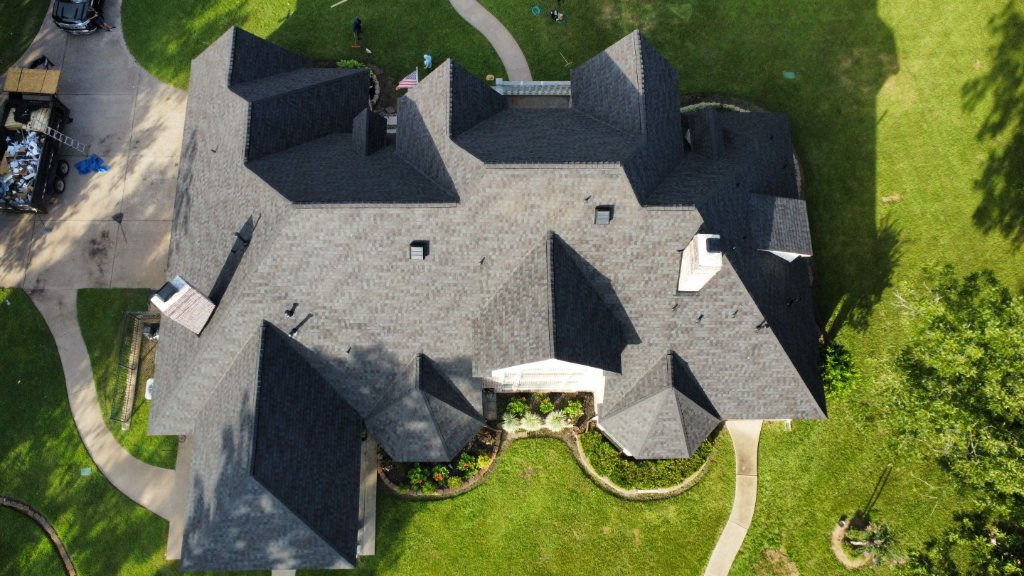
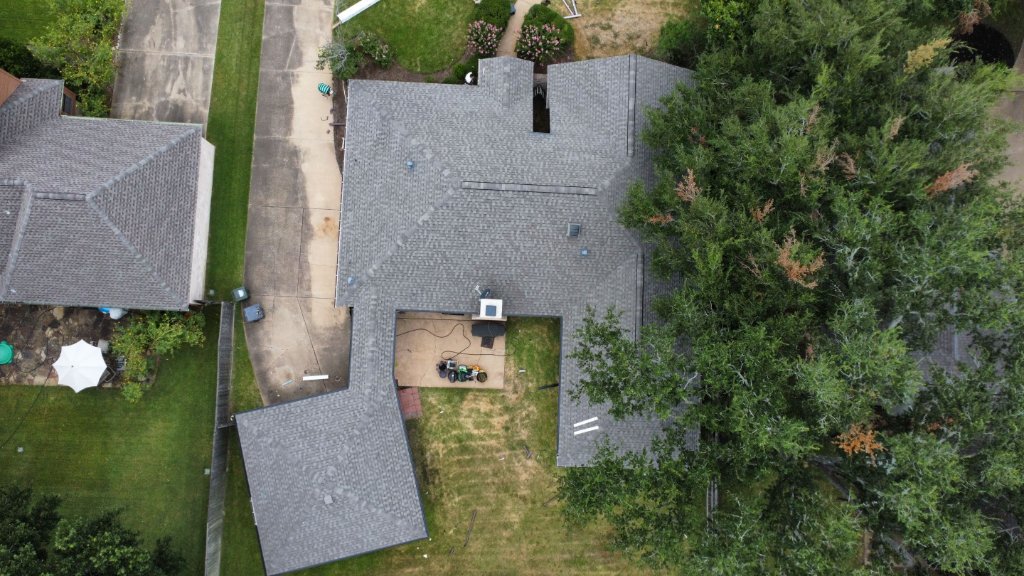
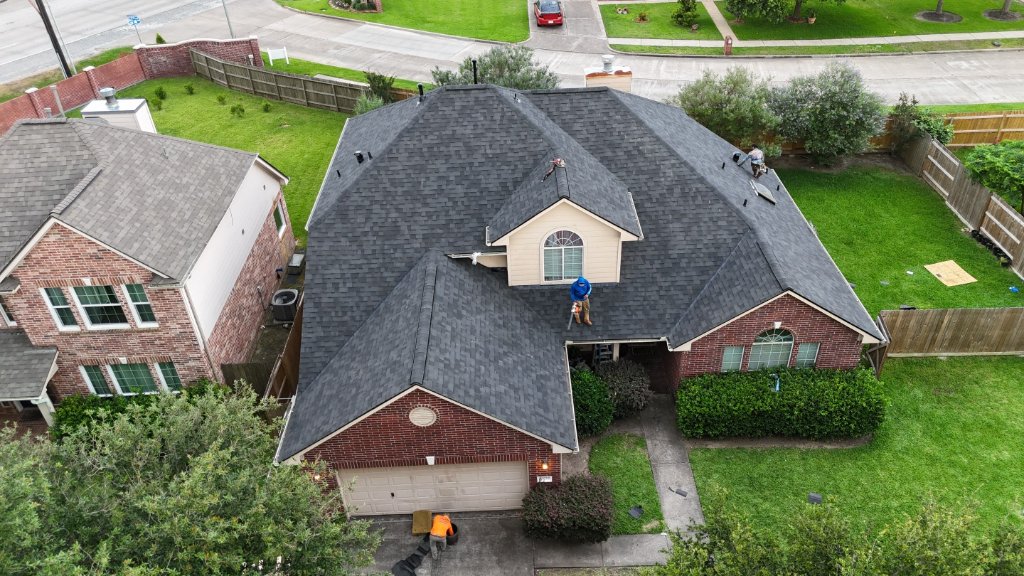
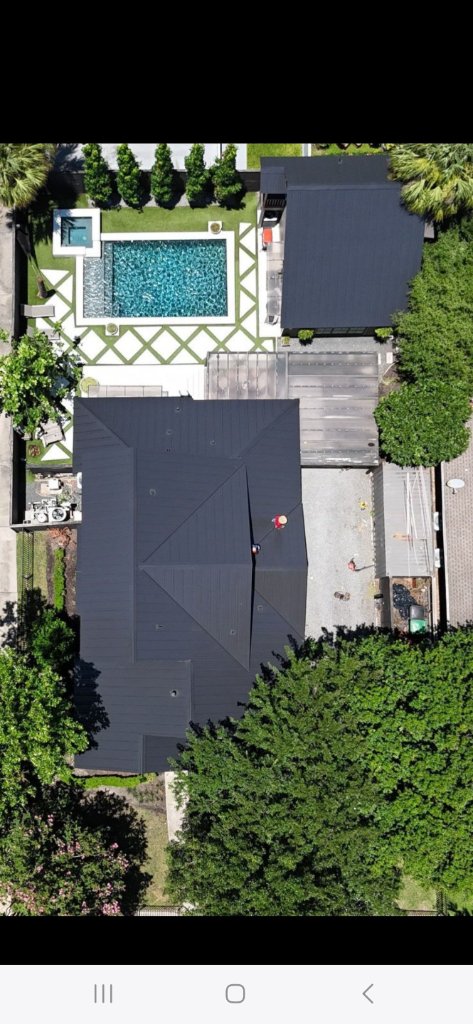
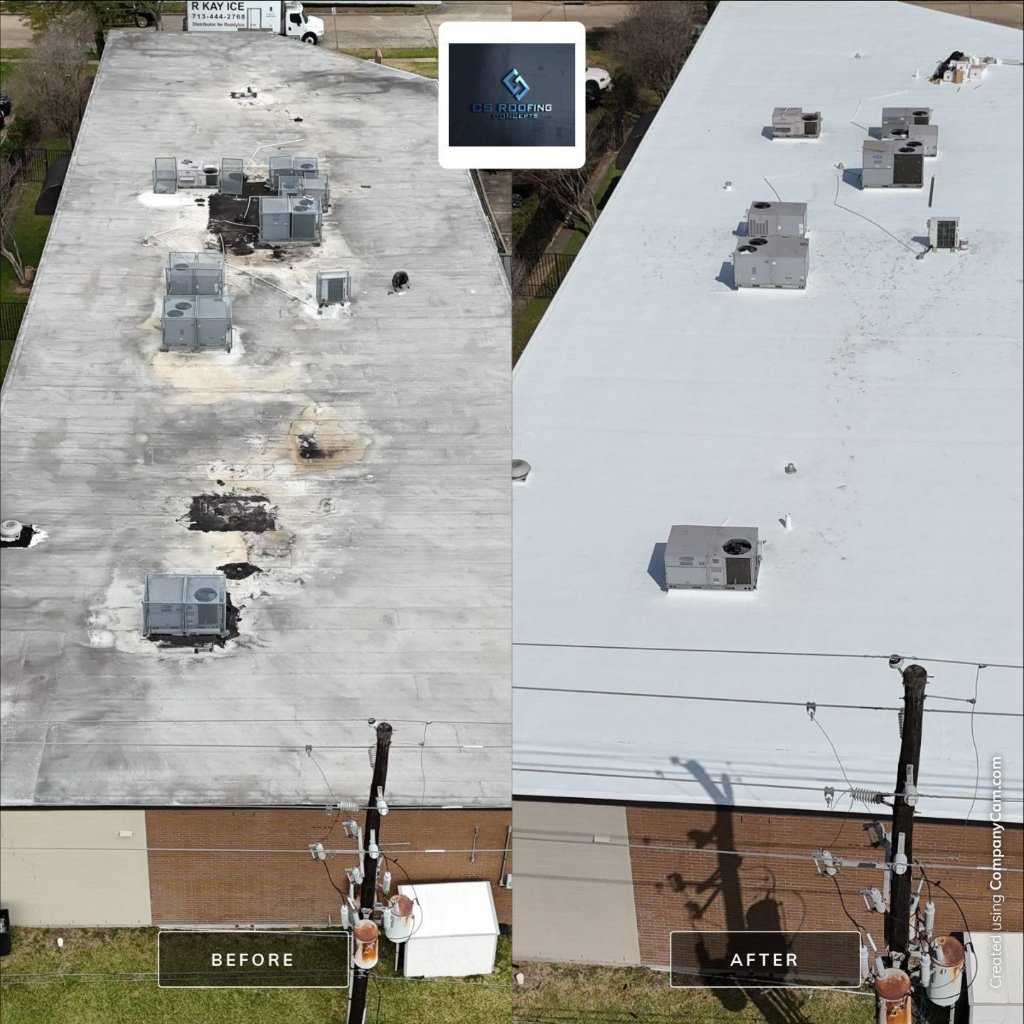
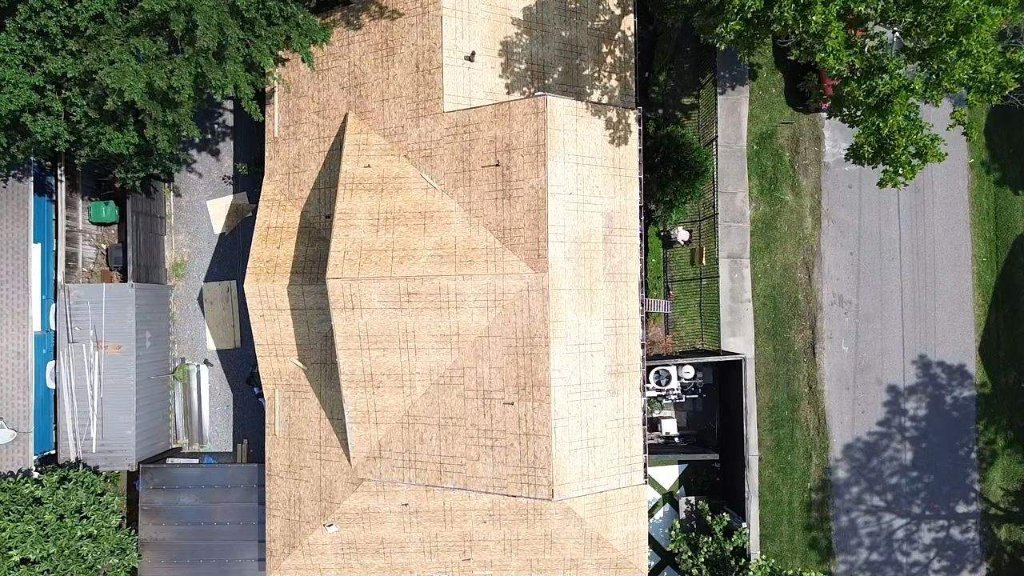
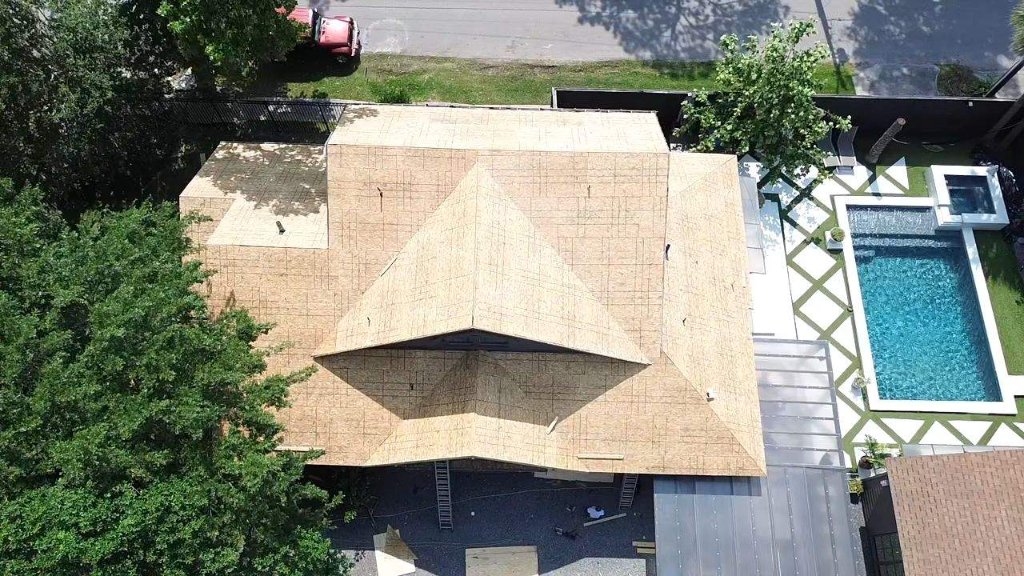
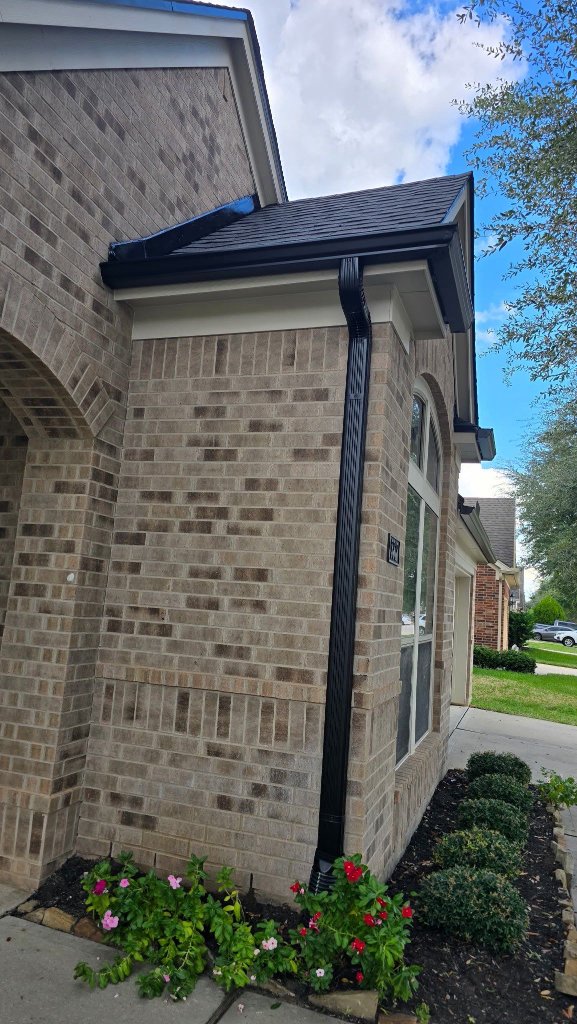
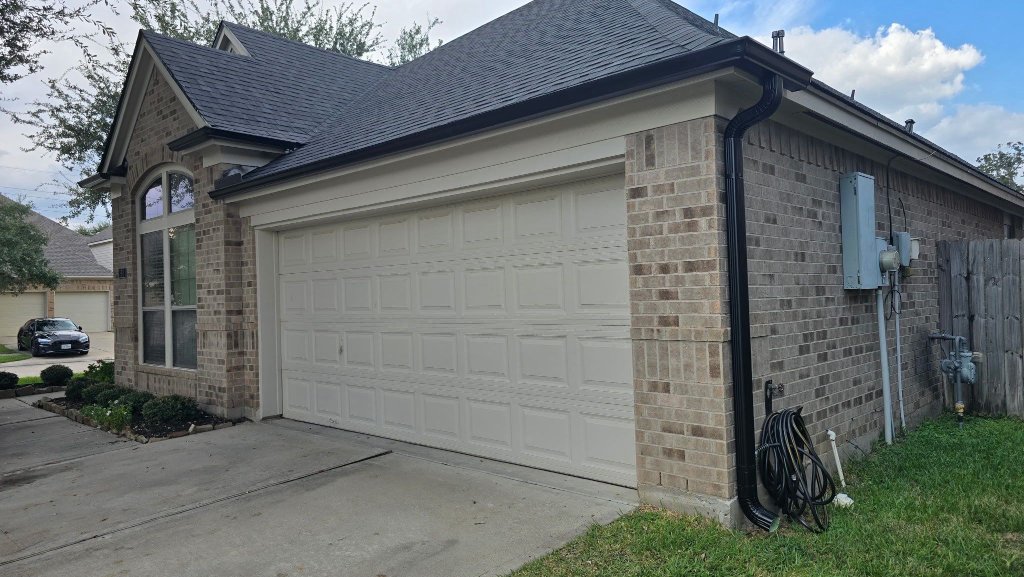
Real roofs on real houses, photographed on the job. Nothing here is a stock image.
Fence went down in the same storm as the roof? See storm and hail damage.
Free Fence Estimate
We measure the run, look at the ground it is going into, and give you a firm number.
Call (281) 202-4382 Request an estimate
Mon–Fri 8am–5pm · Sat 8am–12pm
Get a Fence Quote
Free measure and a line-item price. No obligation.
Or call (281) 202-4382 · Mon–Fri 8am–5pm · Sat 8am–12pm